Yugoslavia tour in Belgrade, with a tour guide, walking and in panoramic sightseeing (car, minibus, or bus). EX-YU monuments are visible all over Belgrade, starting from the building of the former headquarters of the Central Committee and the Federal Executive Council, through magnificent monuments, stadiums, hotels, and museums, as well as many residential and business buildings that marked the period after the Second World War and until the collapse of SFRY.
New Belgrade
Today, Novi Belgrade is the largest Belgrade municipality. Its "Yugoslav" history begins on April 11, 1948, when the "attack on the swamp" began. In the same year, the construction of the "Brotherhood and Unity" highway began. Labor actions, volunteers, and youth brigades started the action. During construction, records were broken in the speed of its construction. Huge palaces, large apartment blocks, skyscrapers, and wide boulevards are being built. More about New Belgrade with our guide during the tour.
Palace of Serbia
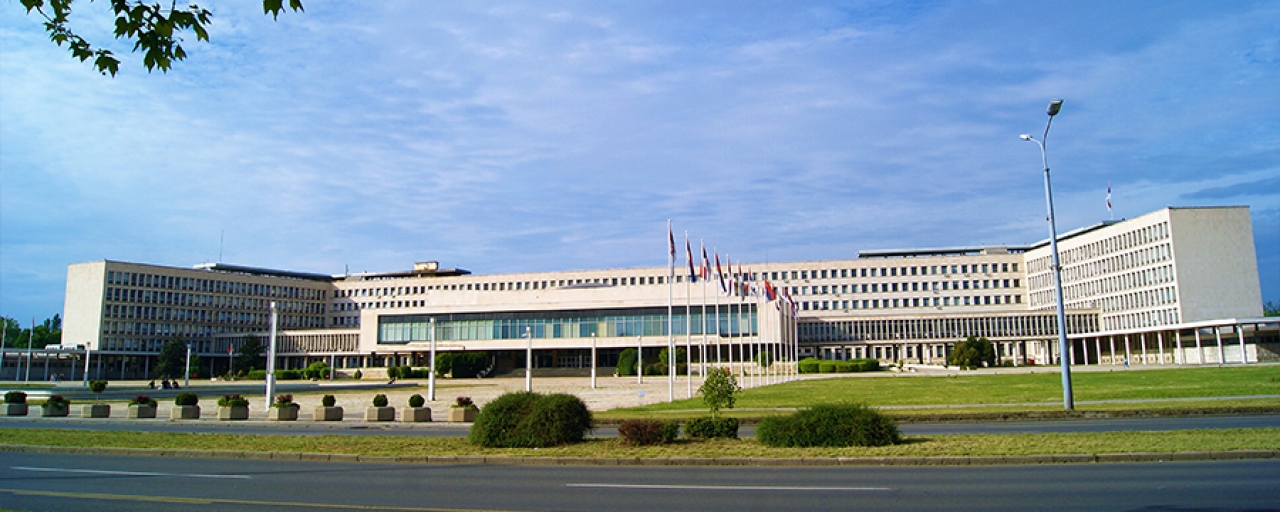
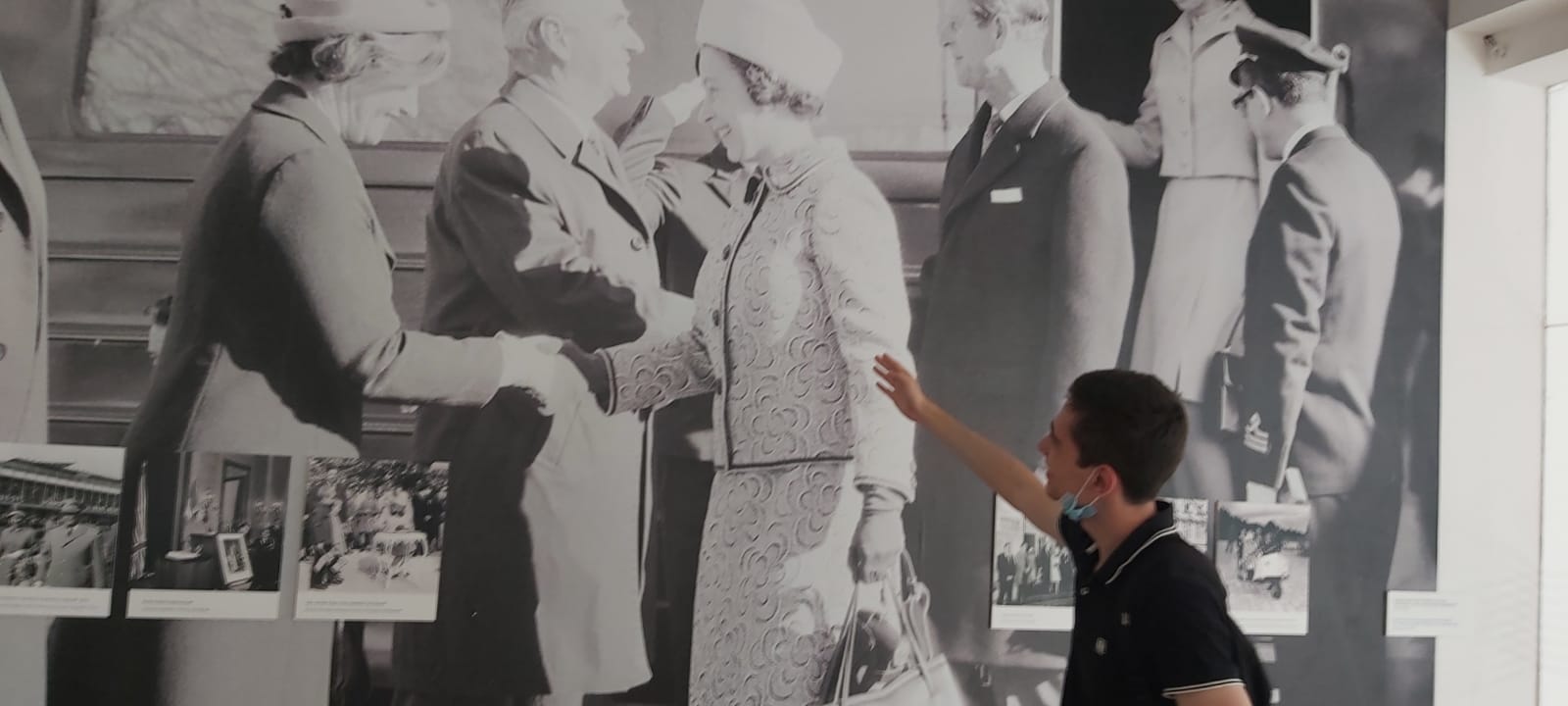
The former Palace of the Federation, also known as the SIV (Federal Executive Council Building), today bears the name of the Palace of Serbia. This impressive building is sure to make an impression. It was built in 1959 in New Belgrade on 5500 square meters. This monumental building in the shape of the letter H leaves you breathless with its size. The interior of the building consists of six individual units that symbolically represent the six Yugoslav republics - Serbia, Bosnia and Herzegovina, Croatia, Slovenia, Macedonia, and Montenegro. Each salon is unique and abounds in works of art and beauty thanks to the artworks of the great artists of post-war Yugoslavia. The building also houses a hall with 2,000 seats where the first conference of the Non-Aligned Movement was held in 1961. Many statesmen and royal figures (Queen Elizabeth, President Nixon, and others) visited the palace and admired the beauty and opulent style of this building.
Sava Center
Center "Sava" is the biggest multi-functional space in the territory of the former Yugoslavia with 70,000 square meters of useful space, 15 conference rooms, a concert hall with 4,000 seats, and exhibition space. Back in 1977, it was officially opened by Josip Broz Tito. The Sava Center was a cultural and business space and the venue for all significant events, international gatherings and congresses, and cultural manifestations. In 1989, the Summit conference of the Non-Aligned was held in the center of Sava, the second time in Belgrade. Great world music creators had their concerts right here. For movie fans, this place was reserved for FEST.
Avala Tower
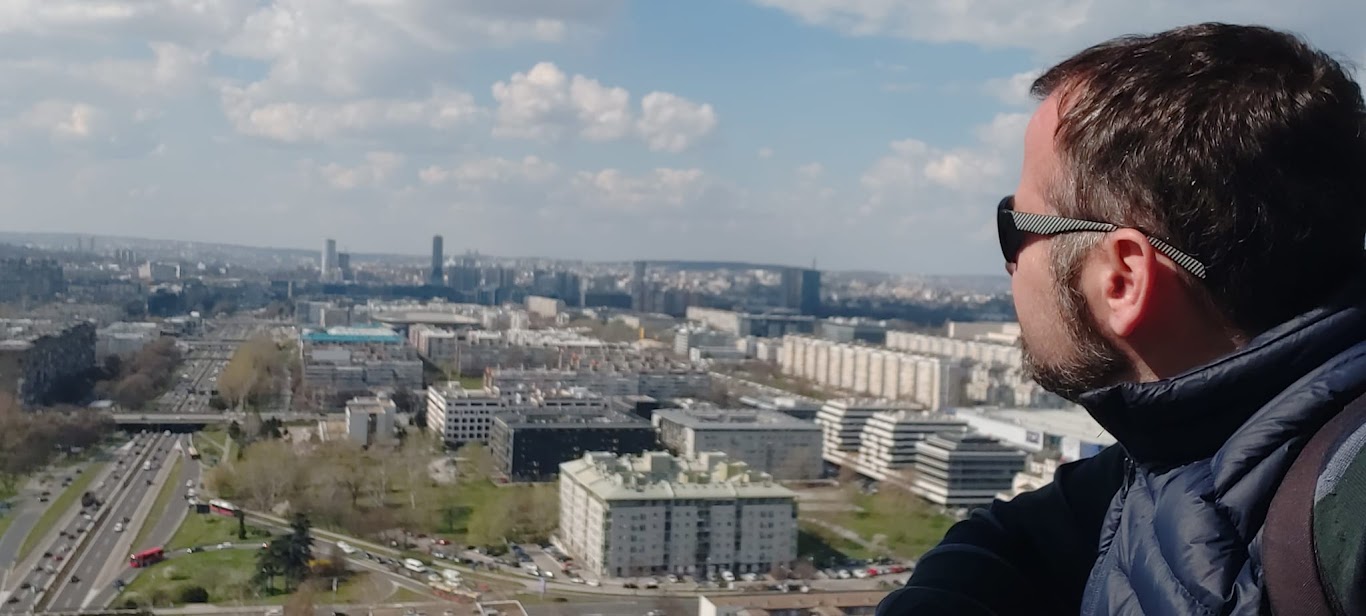
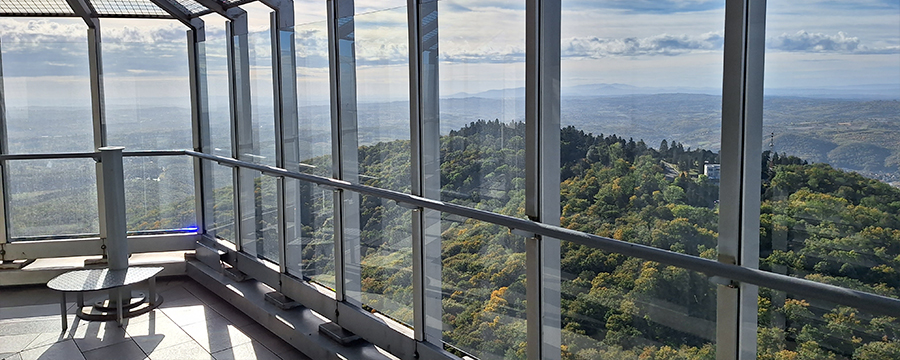
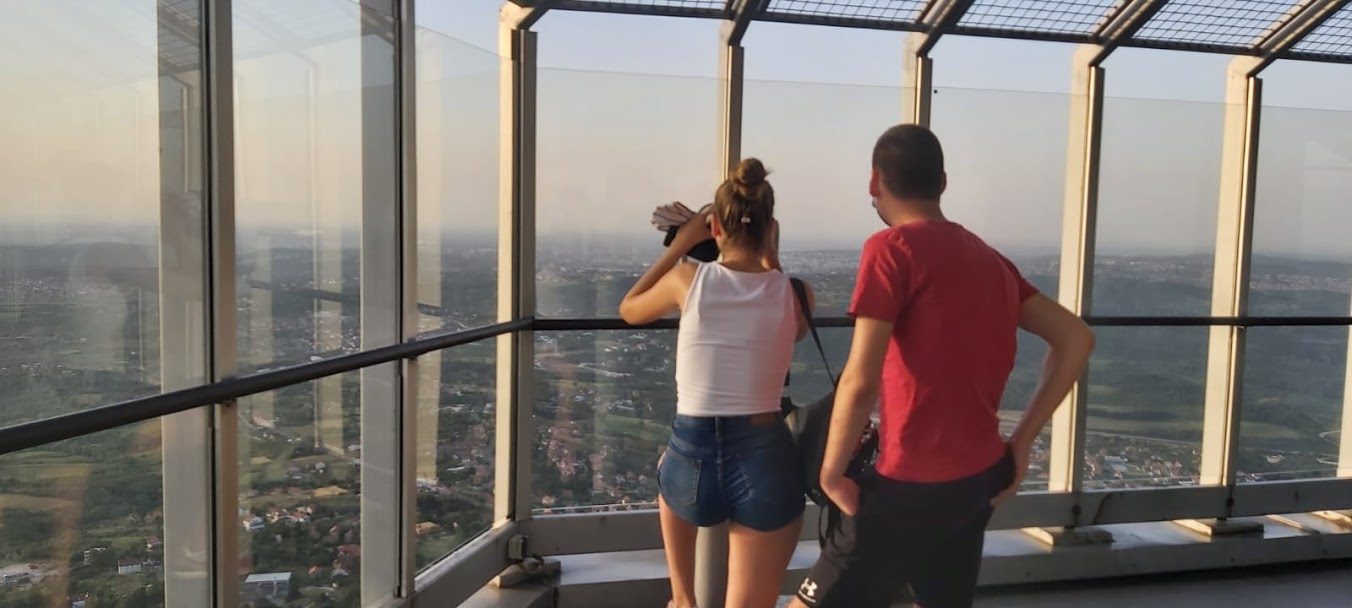
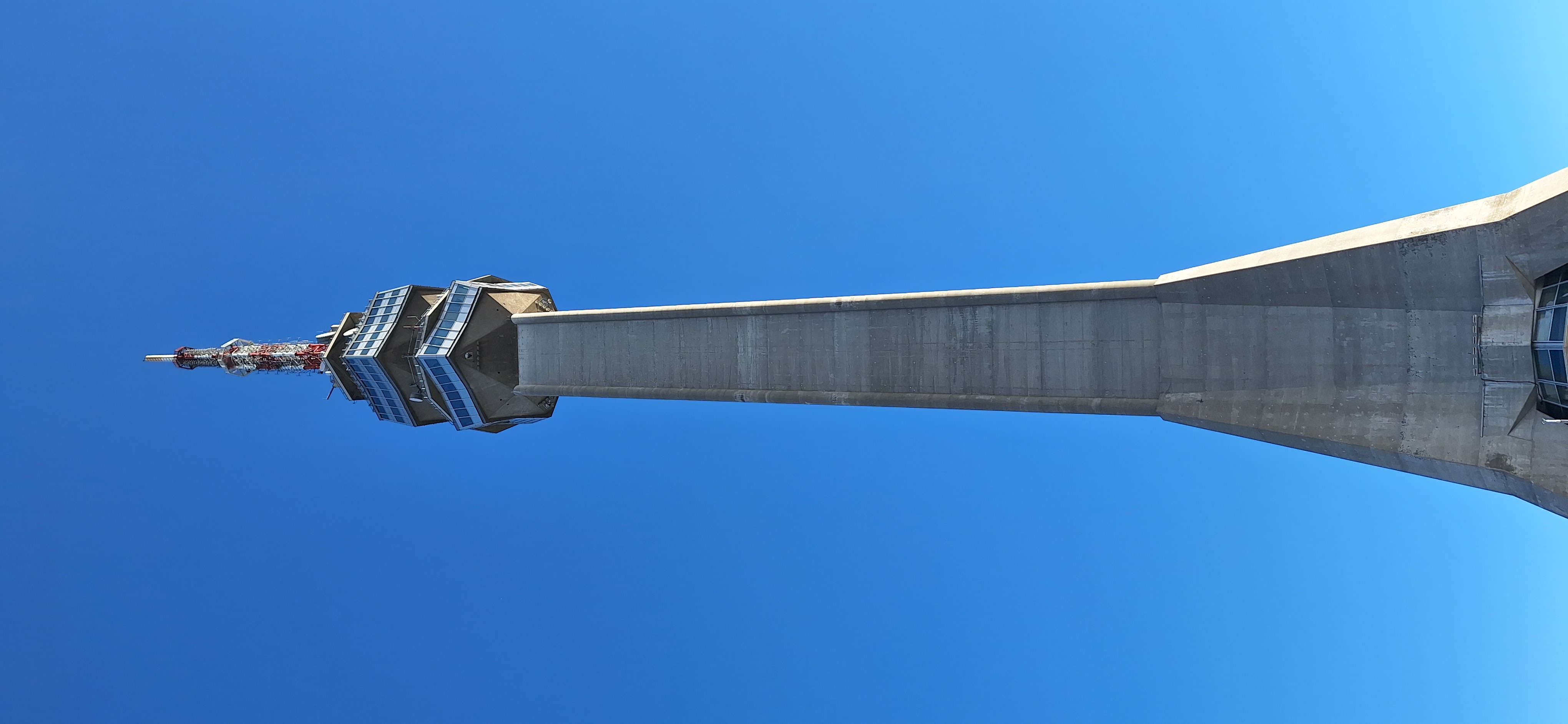
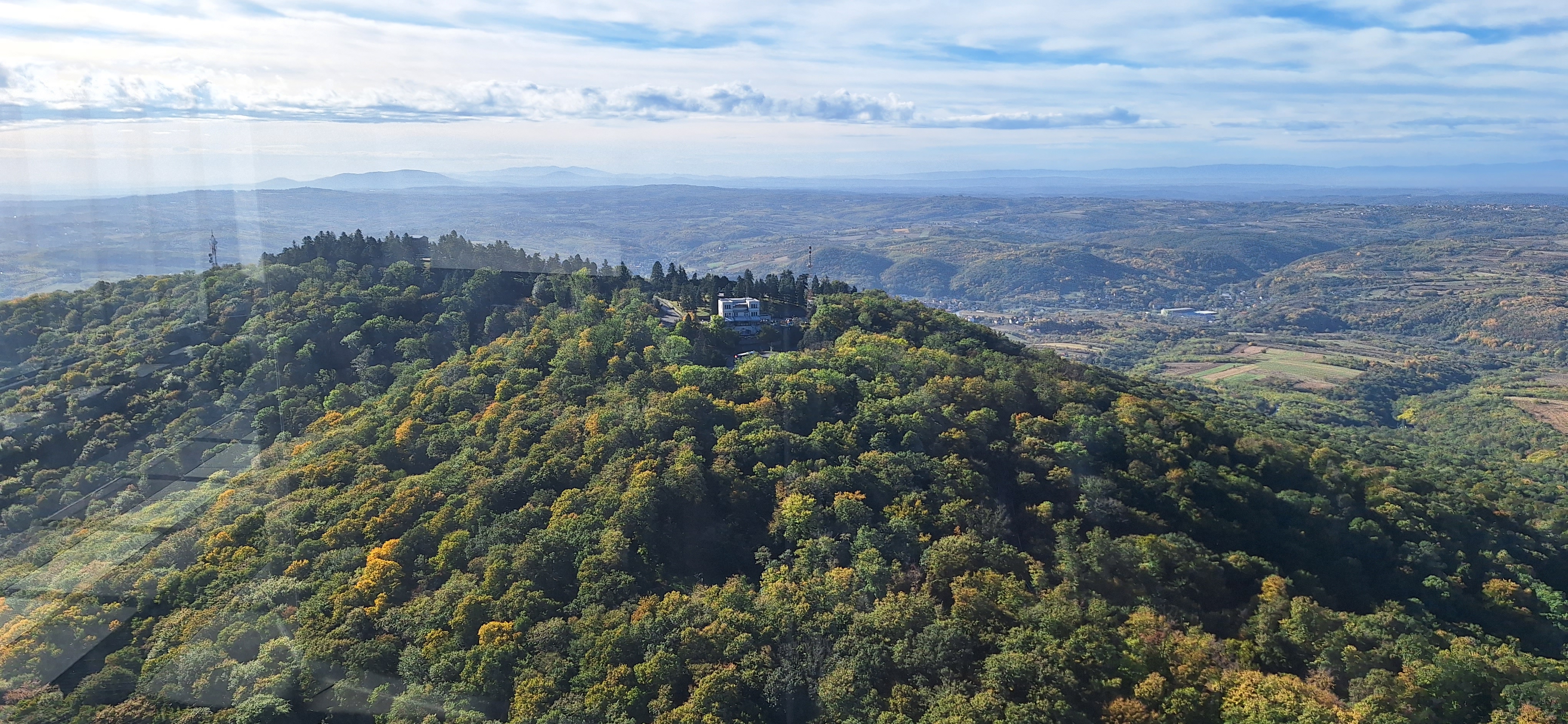
One of the symbols of Belgrade is certainly the Avala tower. The construction of the old Avala Tower began in 1961 and was completed three years later. It is the only tower in the world whose cross-section was an equilateral triangle, which symbolized the Serbian tripod for sitting. It was demolished during the NATO bombing of Serbia. On the site of the old tower, an identical one was erected again, only that it exceeded its predecessor in height by more than two centimeters (204.4m). It offers a view of the whole of Belgrade and Serbia. The tower also has a restaurant on the 119th meter where you can take a break and refresh yourself. The magnificent view will give you endless pleasure.
Palace of Central Committee
The former seat of the Central Committee of the League of Communists of Yugoslavia, after which it is nicknamed CK (Central Committee), was the tallest building in Serbia (141m) and the second tallest in the entire Balkans. The architect of this building is Mihajlo Janković. At that time, the building had 24 floors. The model was shown to Tito on December 28, 1960. During the NATO aggression against Serbia in 1999, this building was hit by 12 tomahawk missiles. It was completely reconstructed in the period 2002-2005. Two more floors were added. Today, the building houses many foreign and domestic companies as well as media houses. Next to the building is the largest shopping center in Serbia Ušće. In 2020, the second building Ušće Tower Two with 22 floors was completed.
Western Gate of Belgrade – Genex Tower
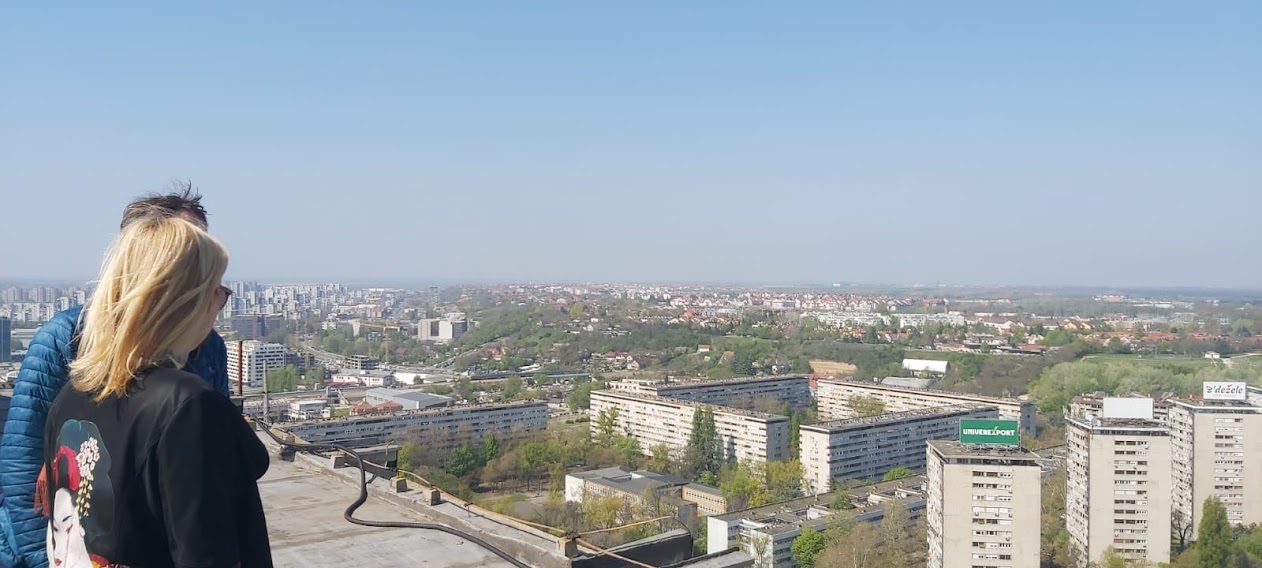
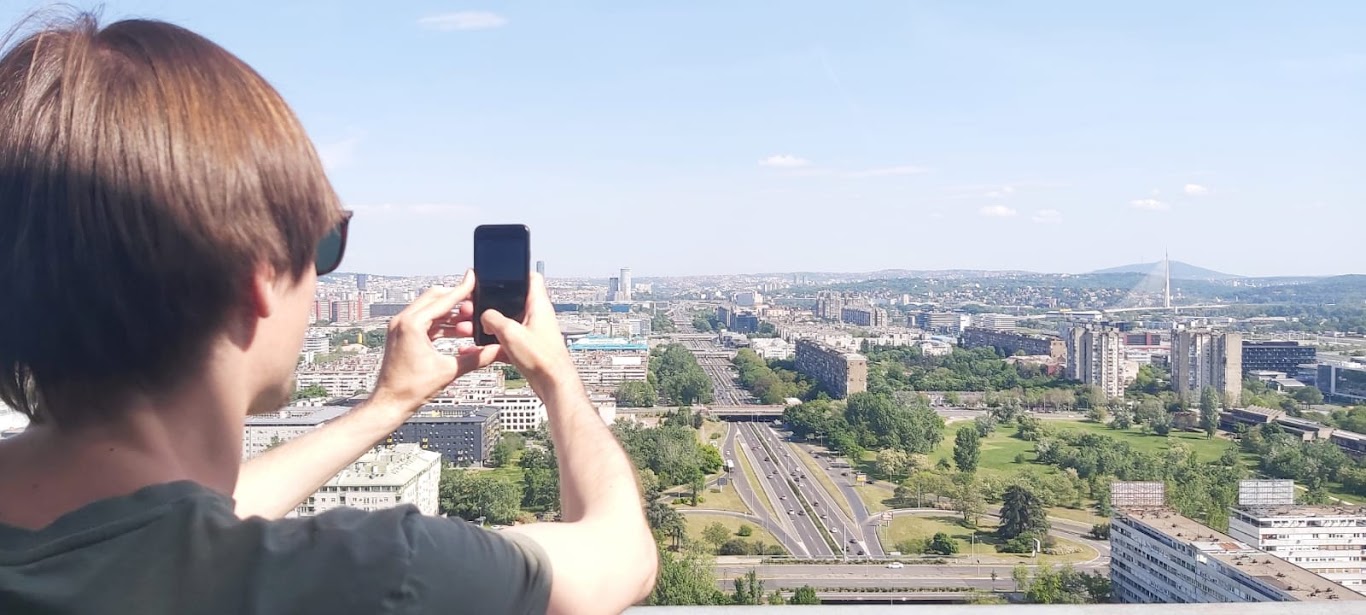
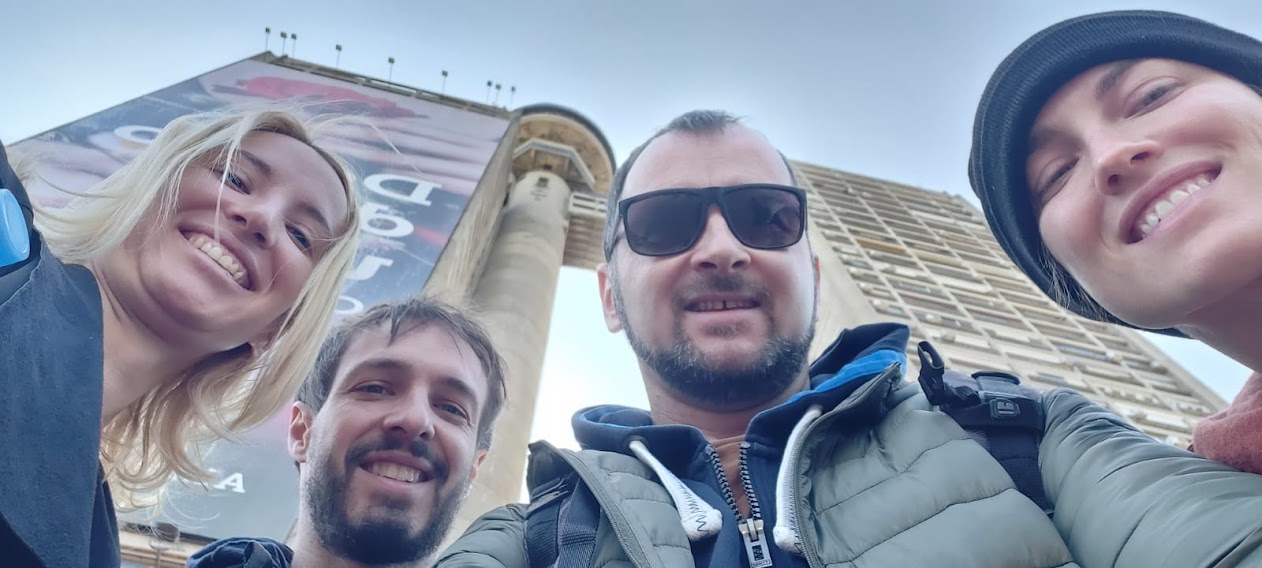
Genex Tower, which we often present to our guests as the West Gate of Belgrade, dominates the entrance to the city from the airport. It belonged to the Generalexport company, which was one of the largest companies in Southeast Europe for international and domestic trade, hotel management, catering, and air transport. It was built in 1980 in a brutalist style. It consists of two concrete towers connected by a bridge at the top. At 115 meters, it was the tallest building in the SFRY (with the antenna, the total height is 135 meters). During the wars of the nineties, the giant "Genex" collapsed. Today in the tower of 35 floors, only a few are in lease function. It is waiting for a new buyer and renovation of the tower. At the top of the building is a giant clock and a circular restaurant as a lookout point that was supposed to turn a full circle in an hour's time, but unfortunately, it never did. It is considered to be one of the first Smart and energy-efficient buildings in Belgrade. About 2,000 people used to work in this building. The other part of the building is a residential building.
Partizan Stadium-JNA
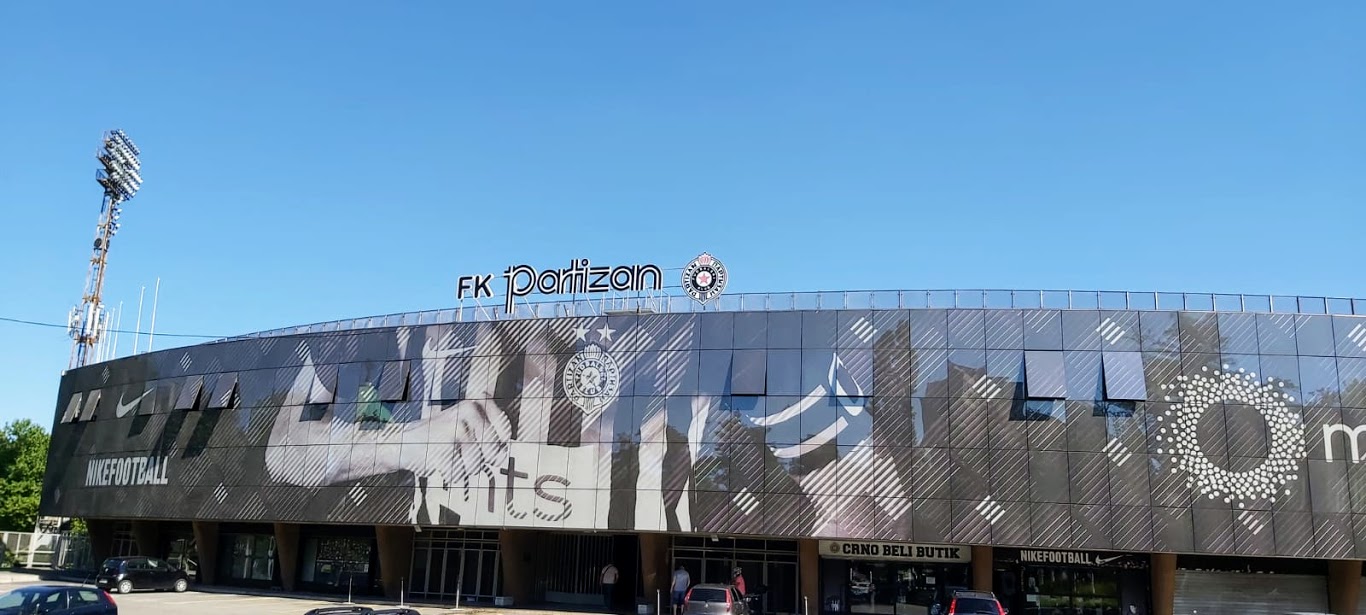
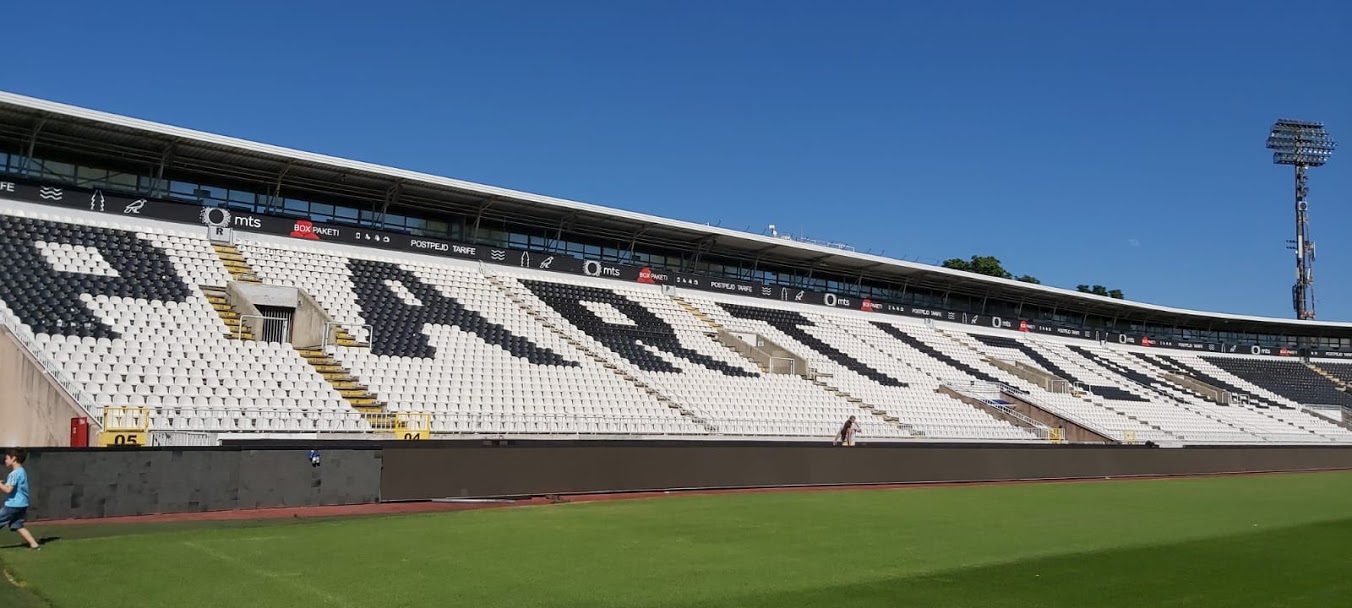
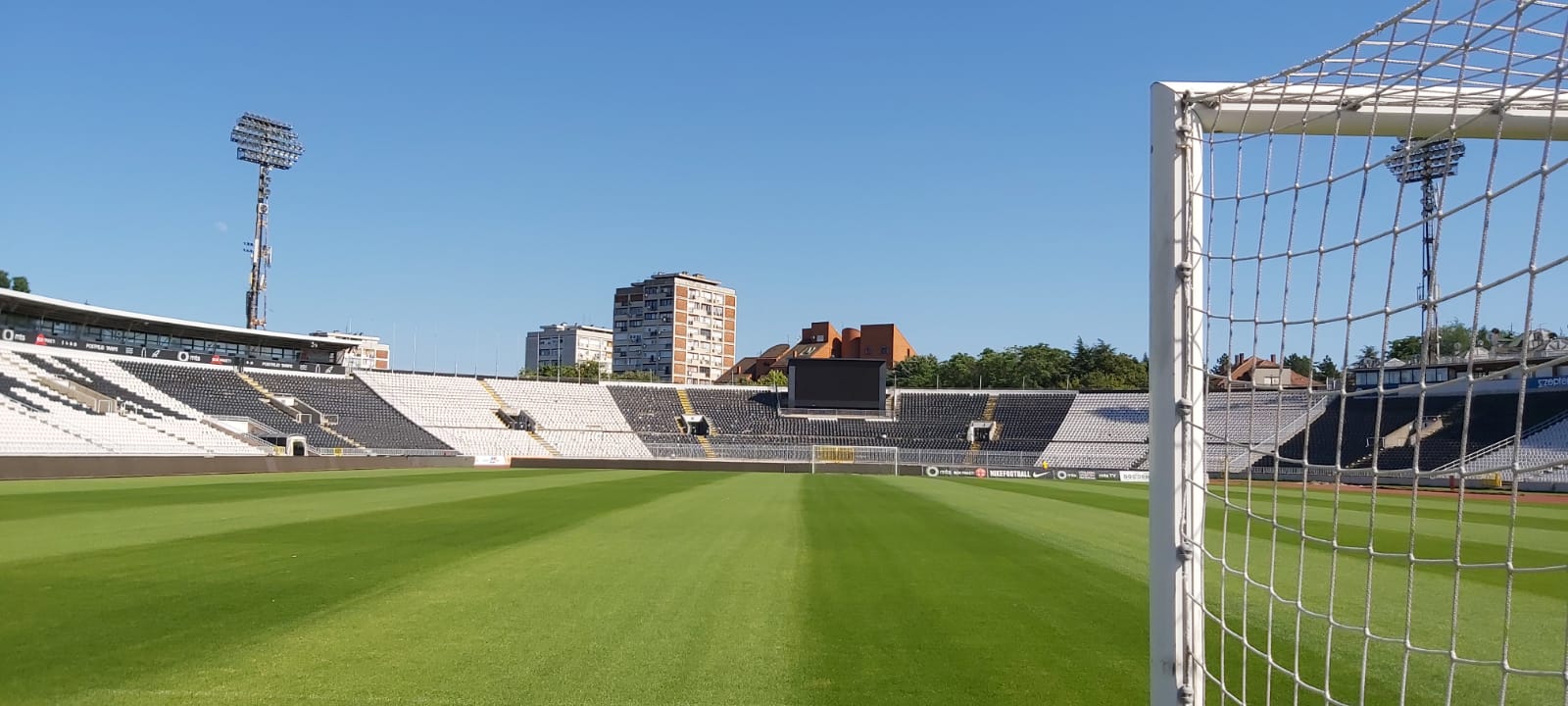
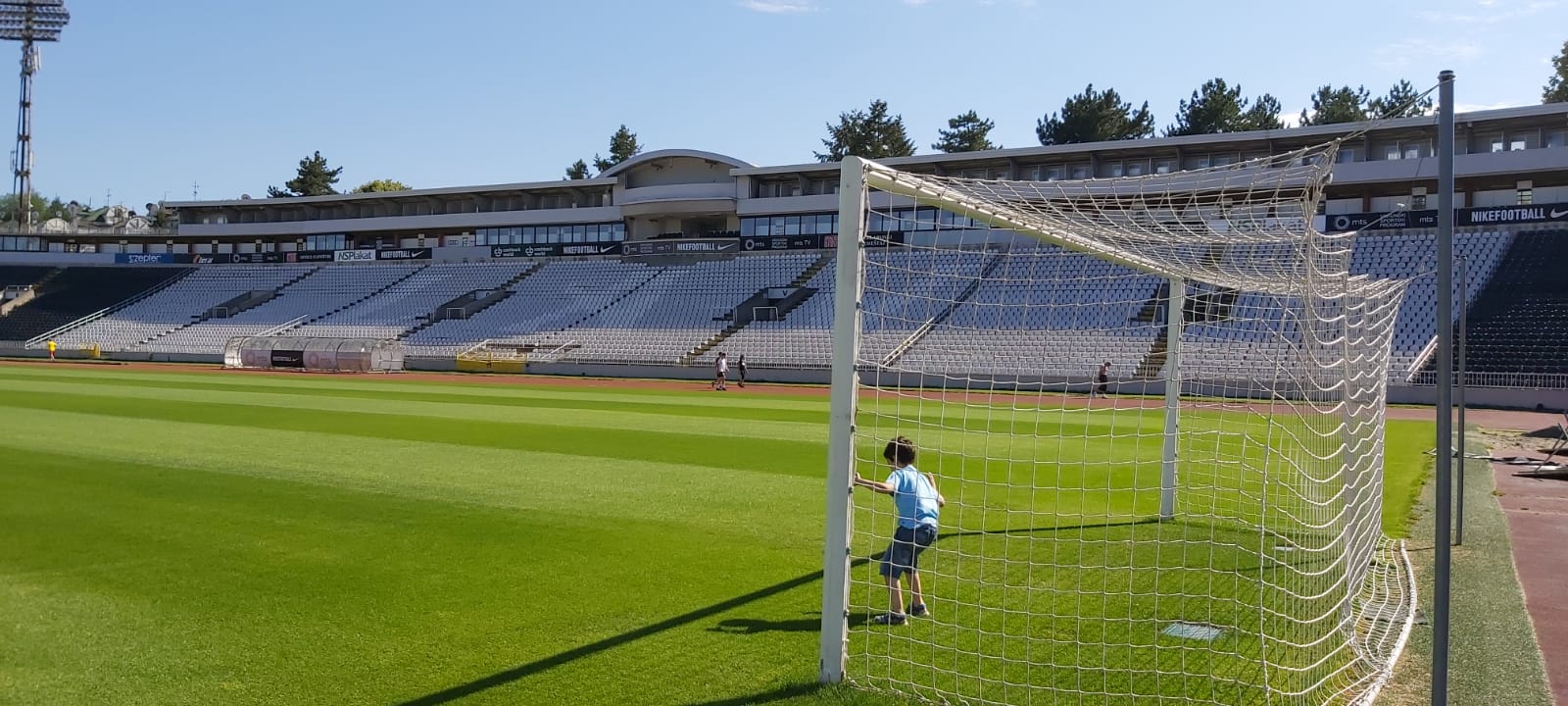
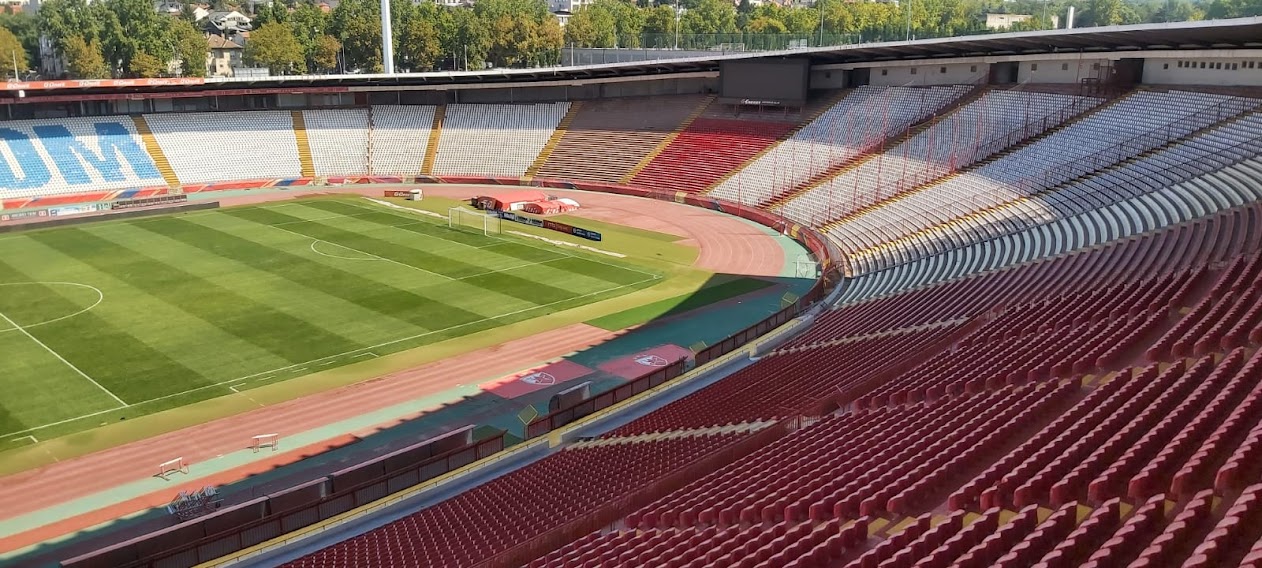
Partizan stadium was built in 1949. The owner was the JNA - Yugoslav People's Army, and in 1989 FC Partizan became the official owner. The capacity of the stadium is 32710 seats. At the beginning of construction, it had 55,000 standing places. From 1955 to 1987, a Youth Day parade was held every May 25 at the JNA stadium, in honor of Josip Broz Tito's birthday. The relay of youth was passed from hand to hand through all republics of SFRY. After 45 days of running, the relay was solemnly brought into the stadium and handed over to the comrade Tito. The Serbian national football team also plays its official matches at this stadium. Partizan stadium was and remains the scene of big football matches. The big football games of Partizan are remembered. One of them is the victory against the then-great Manchester and going to the final of the Champions Cup in 1966. FC Partizan was the first Yugoslav team who was invited to participate in the first competition of the Champions Cup in 1955. Partizan played in Lisbon the historic match against Sporting, and later in the rematch in Belgrade. Concerts by big world music stars such as Metallica and AC/DC were held at the Partizan Stadium.
"Football is a temple, the JNA stadium! " That's what his faithful fans - Grobari - still sing to him.
Rajko Mitić Stadium-FC Red Star
Red Star stadium was the largest stadium in the territory of the former SFRY. It is popularly called Maracana among the fans. It was built on the site of the former FC Yugoslavia stadium, which was demolished in 1959. A new one was built in the same place. It was officially opened in 1963. It had a capacity of over 100,000 standing places. Today the capacity is 51,750 seats. Football history was written in this stadium. The Champions Cup final between Ajax and Juventus in 1973 was played, as well as the European Championship final in 1976 between Czechoslovakia and SR Germany. The first match UEFA Cup final was played between Red Star and Borussia M. in 1979. The club's greatest success was the victory over Bayern Munich in a double-header in 1991 when Red Star went to the final of the Champions Cup from this stadium and became the club champion of Europe. A little later, he became the world champion in the year when SFRY officially disintegrated after the wars. Since 2014, the stadium has been named Rajko Mitić after the legendary Red Star footballer.
Monument on Kosmaj
Optionally, during the tour, we will also visit the Kosmaj Partisan Detachment Monument, which is located on Mount Kosmaj, not far from Avala. The grandiose monument is 30 meters high. It was built in 1971 as a symbol of the fallen fighters of the Kosmaj partisan detachment in the battles from 1941 to 1944. It consists of five concrete arms (prongs, tines) that symbolize the liberating spark and uprising. It dominates the wooded part of the Kosmaj mountain at the top of Mali vis - 576m.
Museum of Yugoslavia-House of Flowers
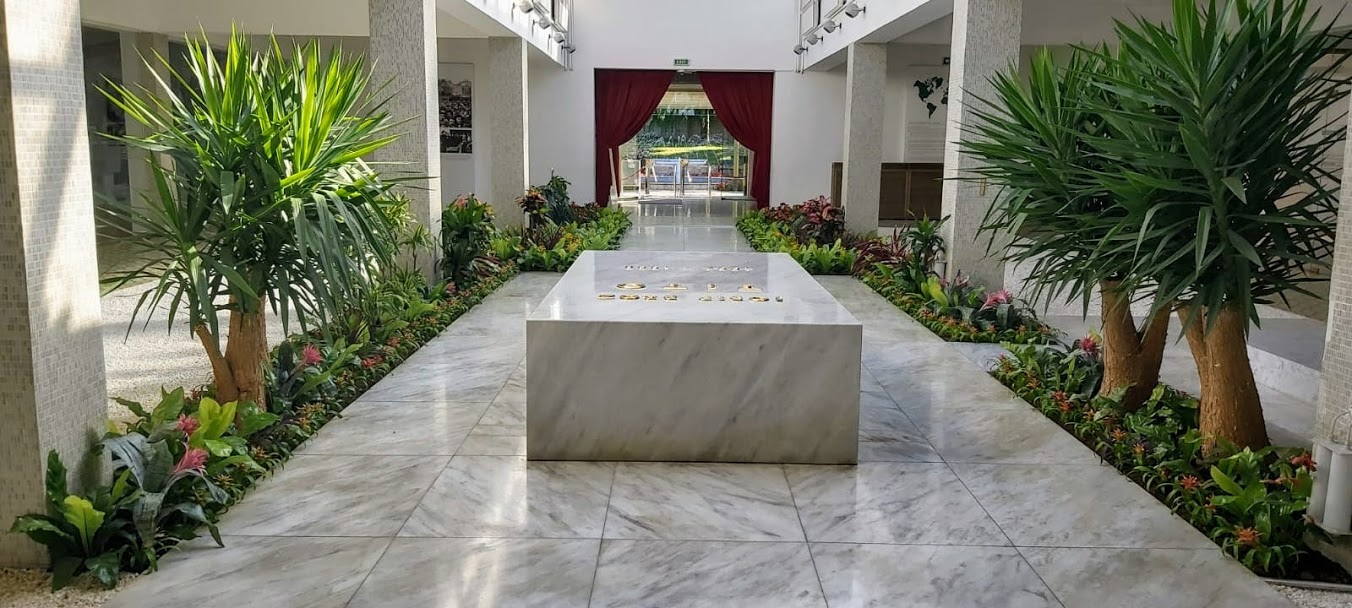
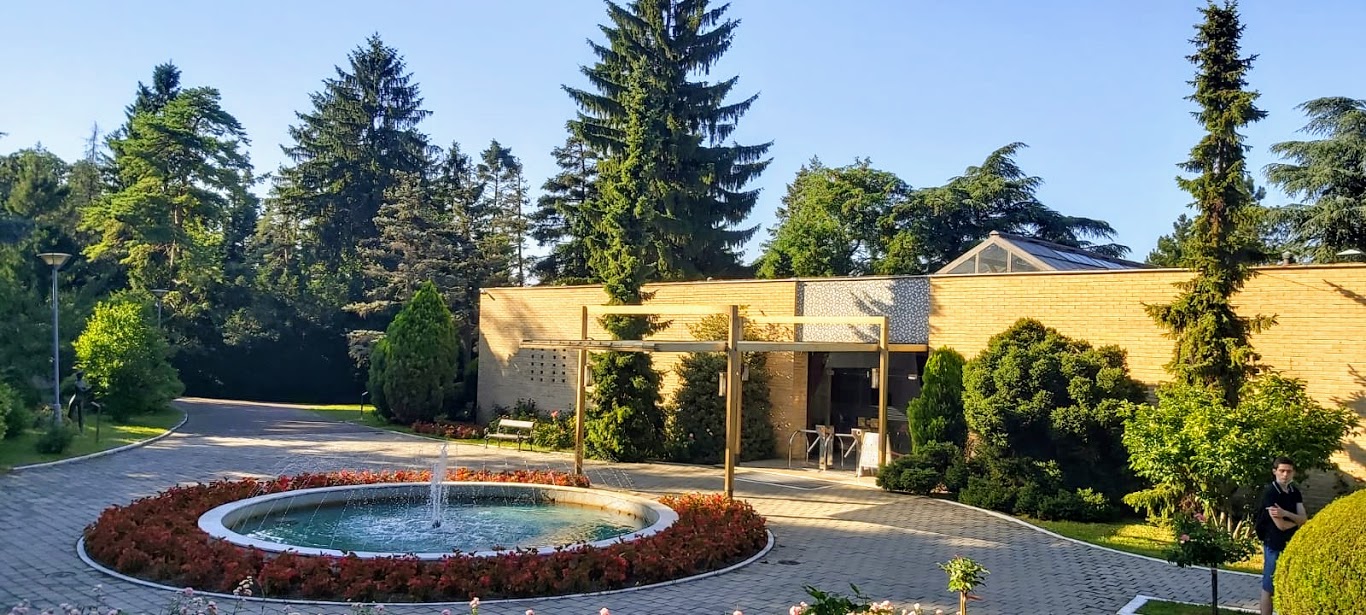
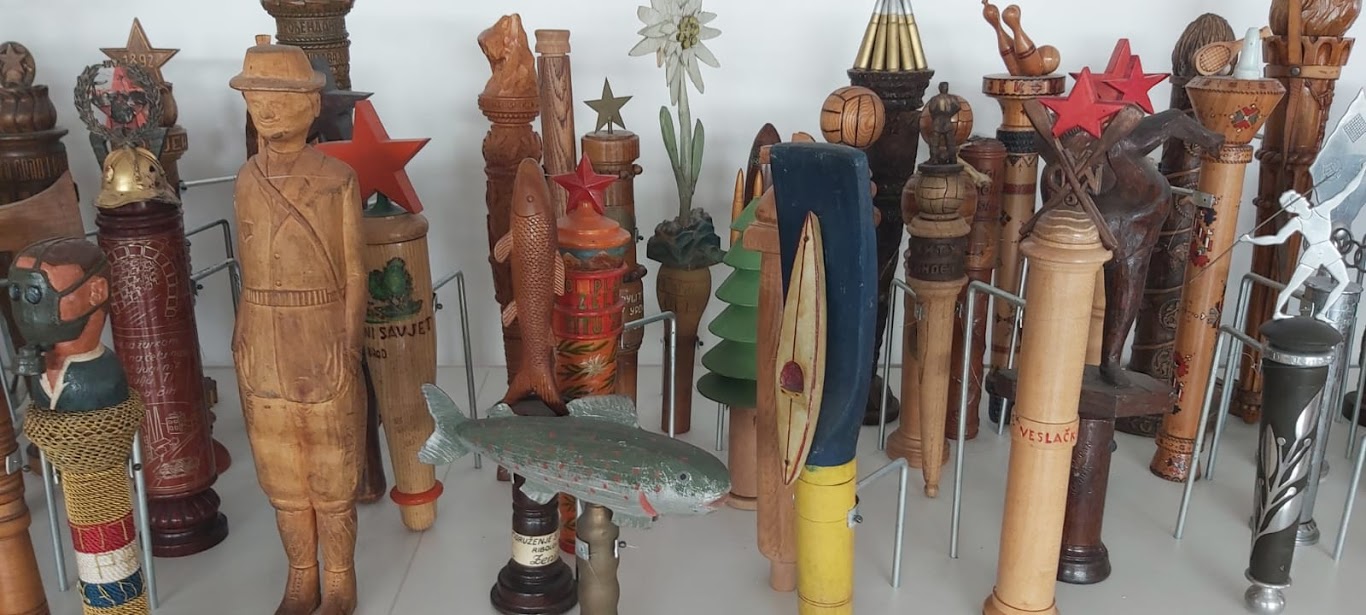
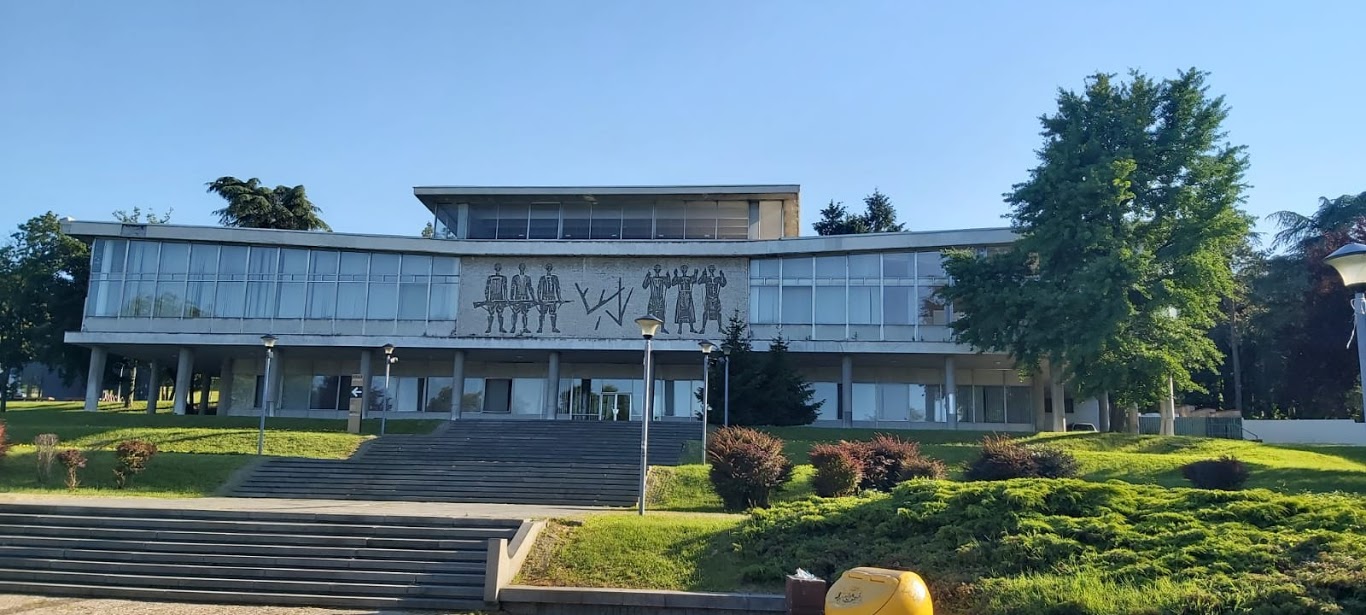
In recent years, the Museum of Yugoslavia has been the most visited in Serbia and is the second most visited cultural and tourist destination in Belgrade with over 100,000 visitors per year. According to the idea of the architect Mihailo Janković, the first dedicated museum in Belgrade was opened. It was called the Museum 25th May, as a gift from the city to Josip Broz - Tito for his 70th birthday and was officially opened in 1962. The museum exhibits gifts that Tito received in the country and abroad, with the basis of a permanent exhibition of the baton collection. In the museum complex, there is the House of Flowers, which was built in 1975 with a winter garden and rooms for Josip Broz's work and rest. In 1980, Tito was buried at this place according to his wish. His wife Jovanka Broz was buried next to him in 2013. As part of the complex, there is also an old museum built in 1965. An integral part of the museum is a large park with thousands of different plant species, in which there is a large number of sculptures by recognized Yugoslav artists.
Park of Friendship
The idea of the creation of the park as a symbol of peace and equality for all peoples in the world came from the "Young Mountaineers" at the time of the First Conference of the Non-Aligned Summit in Belgrade in 1961. The official opening of the park in New Belgrade on September 7 was attended by Comrade Tito, who planted the first plane tree. In the central part of the park, there is the Alley of Peace, where the statesmen of different member countries of the "non-aligned" planted plane trees during the conferences. It is 180 meters long and represents the number of participating countries that stood for peace in the world. The "Eternal Flame" monument, located in the Alley of Peace, was erected in memory of the victims of the NATO bombing of Yugoslavia. It was solemnly unveiled on June 12, 2000, on the occasion of the anniversary of the end of the aggression. The monument is 30 meters high, with a flame on a bronze torch 4.7 meters high. Many famous people planted trees in Friendship Park: François Mitterrand, Jawaharlal Nehru, Gamal Abdel Nasser, Queen Elizabeth II, Fidel Castro, Muammar el Gaddafi, Emperor Haile Selassie, Leonid Brezhnev, Mikhail Gorbachev, Richard Nixon, Jimmy Carter, Todor Zhivkov, Nicolae Ceausescu, Kim IL Sung, Indira Gandhi, Dutch Queen Juliana, and many others... The last official who planted a tree during the SFRY was Romanian President Ioan Iliescu in 1991, who planted the 194th tree. In 2007, the famous English rock group "The Rolling Stones" planted a plane tree in this place, not far from the place where they held their historic concert in Belgrade. Be a part of this story! Let's plant a tree together, here or somewhere else, for peace among people, for encounters and new journeys.
Meeting point with the guide at the reception of your hotel or indicated address.
The duration of the SFRY excursion in Belgrade is 4-5 hours. Departure time at 10 am or as agreed.
The price depends on the number of people. The price includes the services of a tourist guide, return transfer, and entrance fees.
Optional tour of Aval tower and Kosmaj with a break for lunch or refreshments (tour duration 6-7 hours).
Tour Operator Licence 069/2022
This email address is being protected from spambots. You need JavaScript enabled to view it.
Rada Neimara 23.
Belgrade, Serbia.